
 ®
Why One Team Workout Should Not Mean One Identical Program for Every Athlete
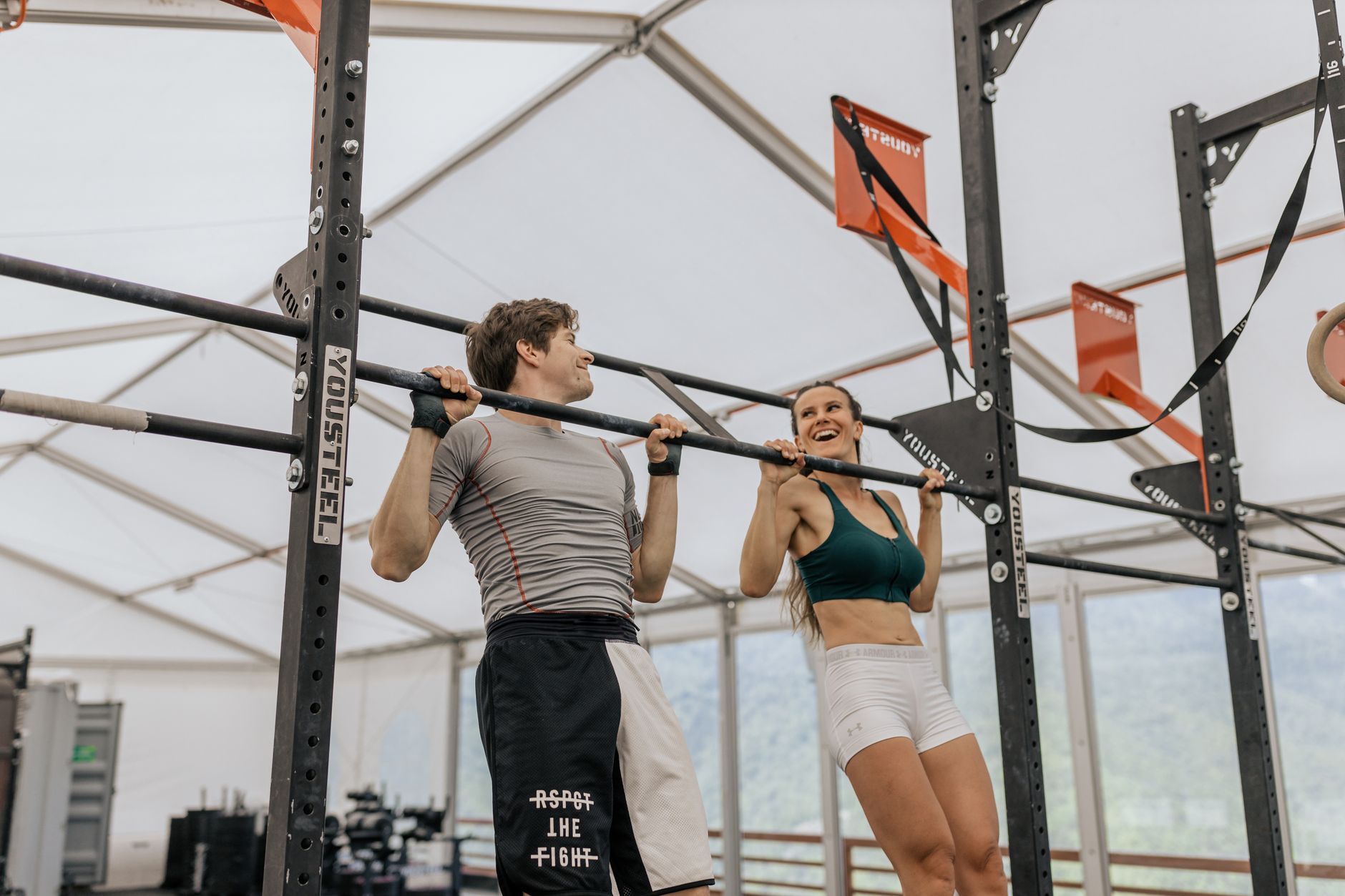
Effective individualized team training requires moving past the outdated belief that every athlete on a roster must follow an identical set, rep, and load prescription. While a unified team culture is built through shared effort, forcing every athlete into a rigid template ignores the reality of differing training ages, injury histories, and recovery capacities. A truly high-performance system maintains the team framework while allowing individual variables to shift based on how each athlete actually adapts to the work.
The traditional model of strength and conditioning relies on the "average" athlete. Coaches design a program for the middle of the bell curve, which inevitably leaves the elite performers under-stimulated and the developing athletes over-reached. By shifting to a system where the athlete strength programming is responsive rather than static, a coach can ensure that the entire roster progresses toward the same goals without sacrificing the health or development of the individuals within that group. This approach respects the coach's need for oversight while acknowledging that biology does not follow a calendar.
Key Takeaways
- Standardized frameworks, individualized execution: Keep the exercise selection consistent to maintain team culture, but allow loads and volumes to adapt to the individual.
- Training age dictates volume: Recognizing that a freshman and a fifth-year senior require different stimulus levels prevents burnout and stagnation.
- Biofeedback drives adjustments: Use performance data and recovery markers to scale intensity daily rather than sticking to a pre-planned percentage.
- Long-term sustainability: Personalized adjustments reduce the risk of overuse injuries that commonly occur when athletes are forced into volumes they cannot recover from.
- Data-driven coaching: Shift from being a rep-counter to a performance manager by using systems that handle the complexity of individual adjustments.
The Problem with Static Team Programming
When a coach delivers a single spreadsheet to sixty athletes, they are making a dangerous assumption: that every athlete arrived at the facility with the same level of readiness. In reality, one athlete may have slept four hours due to academic stress, another might be nursing a minor ankle tweak, and a third might be in a state of peak neurological readiness. A static program treats these three individuals identically, forcing them all to hit the same percentages of a theoretical maximum.
This "one-size-fits-all" approach leads to two specific failures in a high-performance environment. First, it creates a ceiling for the top-tier athletes. If the program is designed for the average, the most gifted athletes will not be pushed enough to trigger new adaptations. Second, it creates a floor that is too high for those struggling with recovery. When an athlete is forced to hit heavy triples on a day their central nervous system is fatigued, the risk of technical breakdown and injury increases significantly. A team workout personalization strategy solves this by allowing the load to fluctuate based on the athlete's current state, not just their historical best.
The goal is not to have sixty different programs. That would be an administrative nightmare for any staff. The goal is to have one cohesive program that possesses the intelligence to scale based on the specific needs of the athlete sitting in the rack. This preserves the "team" aspect of the lift while ensuring every person is working at their own optimal threshold.
How Individualized Team Training Scales Performance
Individualization in a team setting is often misunderstood as total chaos. Coaches worry that if athletes aren't doing the exact same thing, the sense of unity will vanish. However, individualized team training actually reinforces the culture of high standards by meeting the athlete where they are. When an athlete sees that their program responds to their performance, their buy-in increases. They no longer feel like a cog in a machine; they feel like a professional whose specific development matters.
To implement this effectively, coaches should focus on three primary levers of personalization:
- Load Auto-regulation: Instead of prescribing a strict 80 percent of a 1RM recorded three months ago, use a range or a dynamic max that updates based on the previous week's performance. This accounts for daily fluctuations in strength.
- Volume Management: Total sets and reps should be a variable, not a constant. A veteran athlete with high efficiency might need less volume to maintain strength, while a developing athlete might need more sub-maximal repetitions to master technical cues.
- Exercise Substitutions: While the team might be "squatting," the specific variation can change. An athlete with limited hip mobility might perform a box squat or a goblet squat, ensuring they still contribute to the team's physiological goal without compromising their joints.
By using these levers, a coach can manage a large group while providing the nuance of a private session. This is particularly important when considering sport-specific strength and when to specialize, as different positions within the same team may have vastly different mechanical demands and injury risks.
Keep the team structure. Personalize the athlete.
See how Optimal Athlete lets coaches set the framework while each athlete's training adapts to their needs, performance, recovery, and available equipment. See the Team Platform →
What are the benefits of team workout personalization?
The benefits of a personalized approach extend beyond the weight room and directly impact on-field availability. When athlete strength programming accounts for the total stress load, the likelihood of soft tissue injuries decreases. We know that training is just one form of stress. Academic pressure, poor sleep, and nutritional gaps all pull from the same recovery pool. A system that can identify when an athlete is "red-lining" allows the coach to proactively reduce volume before a strain or tear occurs.
Furthermore, personalization allows for better management of the developmental pipeline. New athletes often struggle with the sheer volume of a collegiate or professional program. By utilizing a structured first program for new lifters, coaches can gradually ramp up the intensity rather than throwing them into the deep end. This prevents the "freshman slump" where new recruits lose weight and power during their first semester due to over-training. In contrast, the veterans on the team can be given the autonomy they have earned, focusing on high-quality repetitions that keep them fresh for game day.
How much individualization is too much?
There is a point of diminishing returns. A coach should not be writing sixty completely unique programs from scratch every week. The most efficient model uses a "Master Template" approach. The template defines the movement patterns (Knee Dominant, Hip Hinge, Push, Pull, Carry) and the timing of the sessions. The individualization happens within that template. This maintains the flow of the weight room and ensures the coaching staff can still monitor technique effectively across the entire floor.
Balancing Team Goals with Individual Needs
The conflict between team-wide goals and individual needs is often a false dichotomy. A team is only as strong as its weakest link, and often that link is an athlete who has been pushed past their point of recovery. By prioritizing individualized team training, you are not being "soft" on the athletes. You are being precise. Precision is the hallmark of elite coaching. It is the difference between working hard and working effectively.
Frequently Asked Questions
How do you manage individualization with 50+ athletes in one session?
Effective management relies on a master template where the exercises remain consistent but the intensities and volumes are adjusted via a centralized system. This allows the coach to oversee the group while the athletes follow their personalized prescriptions on their own devices or cards.
Does individualization ruin the team atmosphere?
No, it actually enhances it. When athletes see that the program is tailored to their specific needs and recovery, their engagement increases. The team still trains together at the same time and performs similar movements, preserving the culture of shared work.
How do you determine which athletes need more or less volume?
Decisions are based on a combination of training age, historical performance data, and daily recovery markers. A veteran athlete may require lower volume to maintain peak power, while a younger athlete needs more repetitions to build a foundational base of strength and technique.
Want this running across your team?
See the team platform, pricing, coach controls, athlete personalization, and multi-team structure in one place.
Optimal Athlete
Training and nutrition articles from Optimal Athlete.