
 ®
The First Program That Actually Works for New Lifters
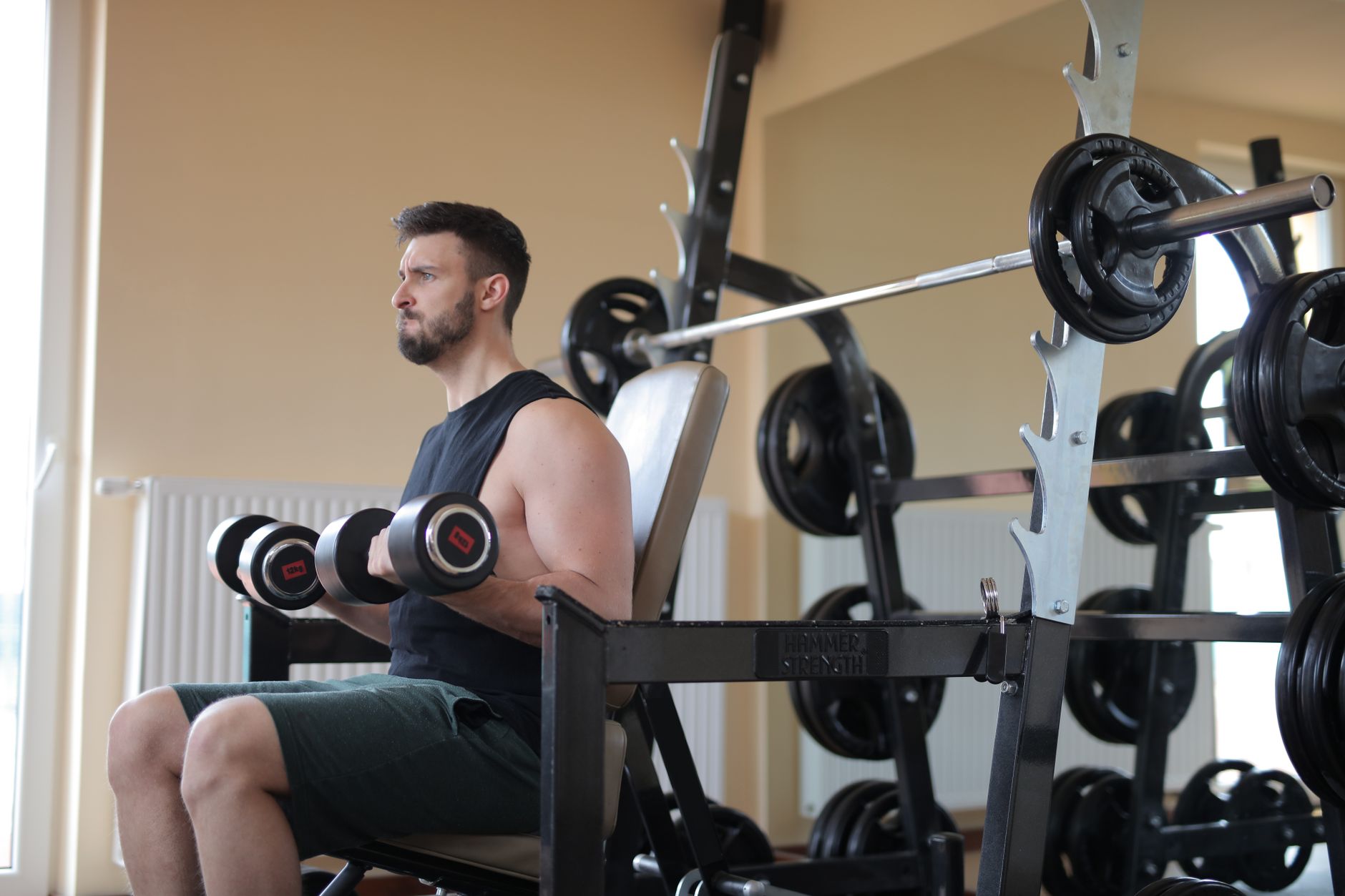
The first lifting program that actually works for new lifters is one that prioritizes sustainable adaptation over fixed, arbitrary schedules. A truly effective beginner training program must bridge the gap between where a lifter currently stands and the specific physiological demands of their goals, while accounting for their unique recovery capacity and equipment access. By focusing on fundamental movement patterns and earned progression rather than static templates, a new lifter can achieve consistent strength gains without hitting the premature plateaus common in generic routines.
Most entry-level advice fails because it treats every individual like a mathematical average. If a program tells you to add five pounds to the bar every session regardless of your sleep, stress, or technical execution, it is not a coaching system; it is a spreadsheet. For a new lifter workout to be successful, it must be responsive. It should recognize when you are ready to push and when your body requires a reduction in volume to facilitate repair. This article outlines the framework of a professional approach to your first year in the gym, moving past the limitations of cookie-cutter templates.
Key Takeaways
Prioritize movement quality – Technical proficiency must be established before intensity is increased to ensure long-term joint health.
Earn your progression – Weight should only be added to the bar when recovery and performance indicators suggest the body has successfully adapted.
Manage total stress – Training is a stressor that must be balanced with nutrition and sleep to avoid systemic fatigue.
Use responsive volume – The amount of work performed should adjust based on your daily readiness rather than a rigid, pre-set calendar.
Focus on multi-joint patterns – Squats, hinges, pushes, and pulls provide the most efficient stimulus for a developing athlete.
Why Most Beginner Training Programs Fail
The fitness industry is saturated with static templates that promise rapid results through linear progression. While the concept of adding weight every workout is appealing, it ignores the reality of human biology. A new lifter does not adapt at a perfectly linear rate. There are days when external stressors, such as work or poor sleep, diminish the ability to perform. A generic program forces the athlete to hit specific numbers regardless of these variables, which often leads to technical breakdown or minor injuries.
Furthermore, many programs separate training from the rest of the lifter's life. They treat the hour in the gym as an isolated event rather than a component of a larger system. An effective first lifting program integrates training with recovery and nutrition. If you are not eating enough protein or if your schedule only allows for six hours of sleep, your program should reflect that reality. Pushing for a new personal best when your recovery markers are trending downward is a recipe for a setback. Structured coaching recognizes these feedback loops and adjusts the plan accordingly.
Finally, generic apps often ignore equipment constraints and individual anatomy. If a program demands a barbell back squat but your mobility currently limits your range of motion, forcing the movement will eventually cause issues. A sophisticated approach allows for exercise substitutions that target the same muscle groups while respecting your current physical capabilities. This ensures that you stay consistent, which is the single most important factor in the first year of training.
Building a Sustainable New Lifter Workout
To build a foundation that lasts for decades, you must focus on the "Big Four" movement patterns: the squat, the hinge, the push, and the pull. These movements involve multiple joints and large muscle groups, providing the greatest hormonal and structural stimulus. Instead of chasing a wide variety of isolated exercises, a beginner should master these fundamentals. This focus allows the nervous system to become efficient at recruiting muscle fibers, which is where the majority of early strength gains originate.
A balanced week for a new lifter might look like this:
Session A: Squat variation, overhead press, and a horizontal pull (like a row).
Session B: Hinge variation (like a deadlift), bench press, and a vertical pull (like a lat pulldown).
Frequency: Three sessions per week, allowing at least 48 hours of recovery between workouts.
Volume: 2 to 3 challenging sets per exercise, focusing on a rep range of 8 to 12 to build both technique and muscle mass.
This structure provides enough stimulus to trigger growth while leaving ample room for recovery. As you progress, the complexity of the movements can increase, but the core principles remain the same. The goal is not to do as much work as possible, but to do the most effective work you can recover from. Over time, you may transition into more sport-specific strength work, but the first year belongs to the fundamentals.
Find the training bottleneck your current program is missing.
Take the 3-minute Plateau Breaker Scorecard and see whether programming, progression, recovery, or another constraint is actually holding you back. Take the Scorecard →
How to Gauge Success and Progress Safely
In a professional performance system, progression is earned, not given. The most common mistake beginners make is adding weight to the bar before they have mastered the current load. This often results in "ego lifting," where form is sacrificed for the sake of the numbers. To avoid this, use a system of double progression. This means you first increase the number of repetitions you can perform with a specific weight. Only once you reach the top of your target rep range with perfect form do you increase the load.
Monitoring recovery is equally vital. If you find that your strength is regressing or that you are constantly sore, your program must adapt. This might mean reducing the number of sets or taking a "deload" week where the intensity is lowered significantly. Managing these variables prevents the common cycle of burnout that many new lifters experience after three or four months. If you have had to step away previously, learning how to resume training without reinjury is a critical skill that stems from understanding your body's limits.
Consistency is built through small, manageable wins. By tracking not just the weight on the bar, but also your perceived exertion and quality of sleep, you create a data-driven map of your progress. This allows for objective decision-making. If your data shows you are recovering well, you can confidently increase the challenge. If the data shows you are redlining, you can pull back before a plateau occurs. This level of personalization is what separates a high-level performance system from a generic PDF.
The Role of Nutrition and Lifestyle
No beginner training program can succeed in a vacuum. Your body requires raw materials to repair the tissue you break down during a workout. For new lifters, the focus should be on adequate protein intake and sufficient caloric support. Aiming for roughly 0.8 to 1 gram of protein per pound of body weight is a standard starting point that supports muscle protein synthesis. Without this nutritional foundation, even the most perfect lifting routine will fail to produce results.
Sleep is the often-overlooked variable in the performance equation. Most hormonal regulation and tissue repair occur during deep sleep. If you are consistently getting less than seven hours of quality rest, your ability to adapt to your training will be severely compromised. An integrated approach treats sleep and nutrition as equal partners to the work done in the gym. When all these factors are aligned, the "newbie gains" phase can be extended, leading to a much higher performance ceiling in the long run.
Frequently Asked Questions
How long should a beginner stay on their first program?
A new lifter should stay on a foundational program as long as they are making consistent progress in technique and strength. Typically, this lasts between three and twelve months before the need for more complex periodization arises. The transition should happen when the lifter can no longer recover from the session-to-session demands of a basic routine.
Can I build muscle with just three days of training per week?
Yes, three days a week is often more effective for beginners than higher frequencies because it guarantees recovery time. By hitting the full body or major muscle groups in each session, you provide a frequent enough stimulus to grow while ensuring the central nervous system is not overtaxed. Quality of effort always beats quantity of time spent in the gym.
What should I do if I miss a workout?
If you miss a session, simply pick up where you left off the next time you are in the gym. Do not try to "make up" for the lost work by doing a double session or skipping rest days, as this disrupts the recovery cycle. Long-term progress is determined by the hundreds of sessions you complete over a year, not a single missed day in a week.
Ready to stop guessing?
Take the 3-minute scorecard built for new lifters who want to do it right. Get a clear read on your real bottleneck and what to do about it.
Optimal Athlete
Training and nutrition articles from Optimal Athlete.