
 ®
Sport-Specific Strength: When to Specialize, When to Generalize
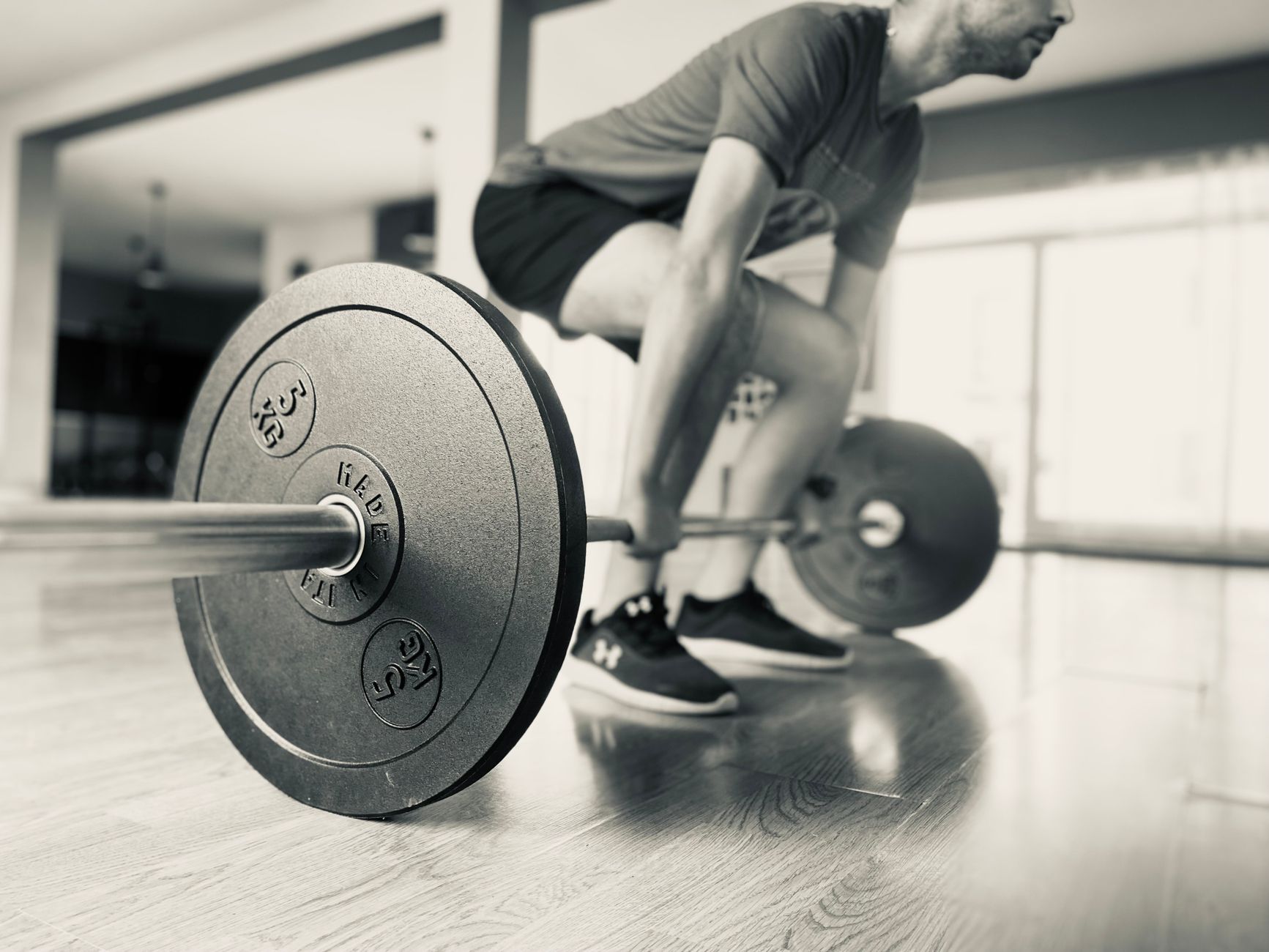
Sport specific strength is the precise application of force required to excel in a chosen discipline, whereas general strength builds the foundational capacity to move heavy loads. For athletes who train for sport, the goal is not to maximize a single lift for its own sake but to use the weight room as a vehicle for improved performance on the field, court, or mat. Balancing these two ends of the spectrum requires a structured progression that shifts from broad physical development to highly specialized adaptations as competition approaches.
Most athletes fail because they either stay in a perpetual state of general training or attempt to specialize before they have built a sufficient engine. A successful system treats strength as a support mechanism, ensuring that every hour spent in the gym contributes directly to the specific demands of the sport. By understanding when to broaden your focus and when to narrow it, you avoid the trap of becoming a strong lifter who cannot perform in their actual arena.
Key Takeaways
- Build the engine first: General strength creates the physiological overhead necessary to handle the high-intensity demands of specialized sport training.
- Context dictates utility: A high squat number is only useful if it translates to better ground reaction forces or explosive power in your specific sport.
- Respect the competitive calendar: Generalize during the off-season to address weaknesses, then specialize as you move closer to the competitive peak.
- Manage total stress: As sport-specific intensity increases, general gym volume must decrease to prevent overtraining and ensure recovery.
- Avoid premature specialization: Specializing too early limits your long-term ceiling and increases the risk of overuse injuries.
The Role of General Strength for Athletes
General strength serves as the foundation for all athletic endeavors. For general strength athletes, the focus is on mastering basic movement patterns: the hinge, squat, push, pull, and carry. These movements develop the structural integrity, bone density, and connective tissue resilience required to withstand the chaotic nature of sport. Without a baseline of general strength, an athlete is essentially building a high-performance engine on a fragile chassis.
The primary benefit of general strength is the expansion of an athlete's physical ceiling. When you increase your absolute strength, sub-maximal tasks become easier. A combat athlete with a higher strength reserve will exert less energy during a clinch, just as a field athlete will find sprinting more efficient when their legs can produce more force against the ground. This phase of training is about building a wider base of the pyramid so that the peak can eventually reach higher.
However, the pursuit of general strength must have an expiration date within each training cycle. If an athlete continues to chase powerlifting totals deep into their season, they risk accumulating excessive fatigue that does not yield a performance return. The goal is to be strong enough to excel, not so strong that the recovery cost of the weight room interferes with sport-specific skills.
Why Sport Specific Strength Matters
As the competition date nears, the nature of training must shift. Sport specific strength involves movements that closely mimic the velocities, joint angles, and energy system demands of the actual sport. If a general phase focuses on moving heavy weight slowly, a specialized phase might focus on moving moderate weight with extreme velocity or maintaining force production under conditions of high metabolic fatigue.
Specialization is where the "transfer of training" occurs. This is the process of taking the raw force developed in the general phase and refining it into usable power. For a volleyball player, this might mean transitioning from deep back squats to quarter-squat jumps that mirror the mechanics of a vertical leap. For a wrestler, it might involve replacing a standard row with isometric holds and explosive pulls that simulate controlling an opponent.
The danger of ignoring specialization is the development of "non-functional" mass or strength. If an athlete only trains in a slow, controlled manner, they may lose the ability to express force quickly. Conversely, if an athlete only performs sport-specific drills without a general strength base, they often plateau because they lack the raw materials to further improve their power output. A truly adaptive program recognizes that these two modes of training are not mutually exclusive but are different stages of the same journey.
Find the real reason your body stopped responding.
Take the 3-minute Plateau Breaker Scorecard and get a personalized read on what is actually holding you back. Take the scorecard →
How to Balance Specialization and Generalization
Deciding when to specialize depends heavily on the athlete's training age and the timing of their competitive season. A younger athlete with little weight room experience should spend the majority of their time in a general phase. They need to build a fundamental level of coordination and muscle mass before they can benefit from highly specific interventions. In contrast, an elite athlete who has already reached their near-maximal strength potential will require more specialized, high-velocity work to see any meaningful improvement on the field.
The transition between these phases should be a sliding scale rather than a sudden switch. A well-structured periodization plan follows a logical flow:
- Off-Season (Generalization): Focus on hypertrophy, corrective exercise, and absolute strength. Use a wide variety of movements to prevent boredom and address muscle imbalances.
- Pre-Season (Transition): Begin introducing sport-specific velocities. Retain some heavy lifting to maintain strength, but prioritize power and speed-strength.
- In-Season (Specialization): Focus on maintaining the qualities built in the off-season with minimal volume. Most of the athlete's "intensity" should come from the sport itself.
Generic programs fail because they do not account for the athlete's current state or their specific schedule. An athlete dealing with a minor injury or high levels of life stress needs the training to adapt, shifting back toward general, low-impact work rather than pushing through high-intensity specific drills that could exacerbate the issue. Adaptive periodization ensures the program fits the athlete, rather than forcing the athlete to fit a static template.
How much strength is enough for sport?
Determining the point of diminishing returns is critical for performance. While there is no universal number, most athletes benefit from reaching specific strength standards relative to their body weight. Once these standards are met, the focus should shift toward specialization rather than chasing further increments in the gym. Common benchmarks for field and court athletes include:
- Back Squat: 1.5 to 2.0 times body weight.
- Trap Bar Deadlift: 2.0 to 2.5 times body weight.
- Pull-Ups: 10 to 15 strict repetitions with full range of motion.
- Bench Press: 1.0 to 1.2 times body weight.
Once an athlete can comfortably hit these numbers, the marginal benefit of adding another 20 pounds to their squat is often outweighed by the recovery cost. At this stage, shifting the focus to sport specific strength, such as plyometrics or rotational power, will yield a much higher return on investment for their actual performance.
The Sustainable Path to Performance
The ultimate goal of any strength program is longevity and consistent improvement. Chasing specialization year-round leads to burnout and repetitive strain injuries. Conversely, staying too general prevents you from ever reaching the sharp edge of performance required for high-level competition. A personalized system balances these needs by looking at the athlete as a whole: their recovery capacity, their injury history, and the specific demands of their position.
By treating strength as a fluctuating resource, you can ensure that you are always training the quality that will move the needle the most. Whether you are building a foundation in the deadlift or refining your explosive power for a championship game, the training must always serve the sport. This focus on individual response and long-term sustainability is what separates elite performers from those who simply move weight in the gym.
Frequently Asked Questions
What is the difference between general and specific strength?
General strength involves basic, multi-joint movements intended to build muscle mass and absolute force production regardless of the sport. Specific strength targets the specific joint angles, speeds, and movement patterns used in competition, such as a rotational throw for a baseball player or a weighted jump for a basketball player.
Can you train for both at the same time?
While you can include elements of both in a single program, the emphasis should shift based on your competitive calendar. During the off-season, you might spend 80% of your time on general strength, whereas during the pre-season, that ratio might flip to prioritize sport-specific movements while keeping general lifts as a maintenance tool.
How do I know if I need to specialize more?
If your gym numbers are consistently increasing but your performance on the field has plateaued or decreased, you likely have a "transfer" problem. This indicates that your general strength is sufficient, but you are not effectively converting that strength into the specific power or speed required for your sport.
Ready to stop guessing?
Take the 3-minute scorecard built for athletes who train for sport. Get a clear read on your real bottleneck and what to do about it.
Optimal Athlete
Training and nutrition articles from Optimal Athlete.