
 ®
Protein Intake for Women Who Lift: The Real Numbers
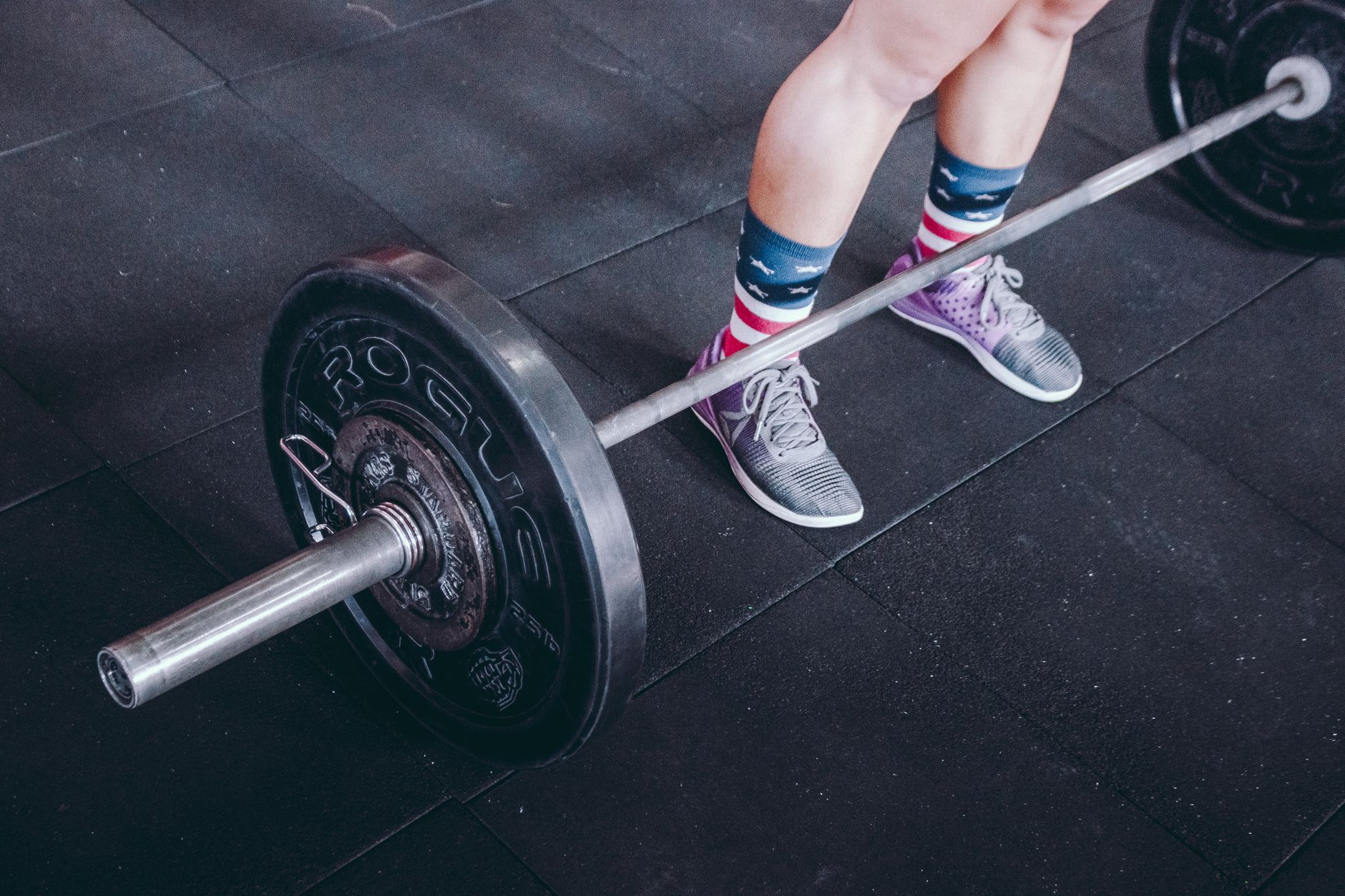
Protein for women is often presented through a lens of moderation, focusing on minimal health requirements rather than performance optimization. For the woman who lifts heavy, follows a structured progression, and treats training as a serious discipline, these generic guidelines are insufficient. The common advice to consume small amounts of protein fails to account for the unique metabolic demands of muscle protein synthesis and the physiological shifts that occur during a rigorous training career.
To maximize muscle building and ensure consistent recovery, you must move beyond standard recommendations. True performance nutrition requires a shift from eating for survival to eating for adaptation. If your goal is to change body composition or increase absolute strength, your protein intake must reflect the intensity of your work in the gym. This article examines the specific physiological requirements for women who train and how to structure your intake for long-term progress.
Key Takeaways
- Optimize for Muscle Protein Synthesis: Targeted protein intake is the primary lever for repairing tissue damaged during heavy resistance training.
- Prioritize Leucine Thresholds: High-quality protein sources rich in specific amino acids are required to trigger the anabolic signaling necessary for muscle growth.
- Adjust for Training Age: As you become more advanced, your body becomes more efficient, but your recovery demands often increase due to higher total workloads.
- Cycle Specific Considerations: Protein needs may shift during the luteal phase when metabolic rate increases and protein breakdown can become more pronounced.
- Break the Generic Template: Performance plateaus often stem from under-consumption, not lack of effort in the gym.
The Metabolic Demand of Serious Resistance Training
When you commit to a structured lifting program, your body enters a state of constant remodeling. Unlike sedentary individuals, women who lift require protein not just for basic cellular function, but to counteract the catabolic stress of heavy loading. Muscle building for women is a resource-intensive process. Without a sufficient pool of amino acids, the body cannot effectively repair the micro-trauma incurred during a session, leading to stalled progress and chronic fatigue.
Generic nutrition templates often overlook the fact that women possess a high capacity for volume and recovery. However, this recovery is conditional. It depends entirely on the availability of substrate. When protein intake is too low, the hormonal environment shifts toward a state of preservation rather than growth. This often manifests as the "plateau" where strength gains vanish and body composition remains static despite increased effort. Proper protein dosing ensures that the hard work you put into the barbell is actually translated into physical adaptation.
Furthermore, the thermic effect of protein plays a crucial role in body composition. By prioritizing protein, you support a higher metabolic rate while protecting lean mass during fat loss phases. For the serious lifter, protein is the most important variable in the nutritional equation because it dictates whether your body is in a state of repair or a state of breakdown.
Establishing Your Baseline: The Performance Numbers
To move beyond the average, you must look at specific ranges tailored to active populations. While standard health guidelines might suggest 0.8 grams of protein per kilogram of body weight, this figure is designed to prevent deficiency, not to fuel a squat personal record. For women who lift, the evidence points toward a much higher threshold for optimal results.
Most high-level trainees will find their "sweet spot" between 1.6 and 2.2 grams of protein per kilogram of body mass. In more familiar terms, this often equates to roughly 0.8 to 1.0 grams per pound of goal body weight. This range provides a significant buffer for recovery and ensures that you are hitting the "leucine threshold" in your individual meals. Leucine is the primary amino acid responsible for turning on the machinery of muscle growth. If a meal lacks enough total protein, it likely lacks the leucine required to signal your body to start building tissue.
It is also important to consider your current phase of training. During a fat loss phase, protein requirements actually increase. When energy from carbohydrates and fats is restricted, the body is more prone to using its own muscle tissue for fuel. Increasing protein intake to the higher end of the range, perhaps 1.1 to 1.2 grams per pound, protects your hard-earned muscle and keeps hunger signals in check. Conversely, in a purposeful muscle building phase where calories are at maintenance or a slight surplus, you can often reside at the lower end of the recommended range because the abundance of total energy is protein-sparing.
Find the real reason your body stopped responding.
Take the 3-minute Plateau Breaker Scorecard and get a personalized read on what is actually holding you back. Take the scorecard →
Female Physiology and the Impact of the Luteal Phase
One of the most overlooked aspects of female protein needs is the fluctuation of the menstrual cycle. Specifically, the luteal phase, which occurs after ovulation and before menstruation, sees a rise in progesterone. This shift has a direct impact on protein metabolism. Progesterone is inherently catabolic, meaning it promotes the breakdown of proteins. During this window, your resting metabolic rate increases, and your body becomes more efficient at oxidizing amino acids for energy.
For the serious lifter, this is a critical time to be diligent with protein intake. You may find that you feel more fatigued or that recovery from training takes slightly longer during this phase. Increasing your protein intake by 10 to 15 percent during the week leading up to your period can help mitigate this increased breakdown. This isn't about overcomplicating the plan: it is about acknowledging that your internal environment is not static. A static plan will always fail an adaptive body.
By increasing protein during the luteal phase, you provide the body with the extra resources it is searching for, which can help stabilize energy levels and reduce the intense cravings often associated with this time. It also ensures that even when your body is naturally more inclined to break down tissue, you are providing enough exogenous protein to keep the net balance in favor of muscle preservation.
Protein Distribution: Why Timing Matters for Performance
Once you have established your total daily targets, the next step is how you distribute that protein throughout the day. Many people consume the majority of their protein in a single large evening meal. While total daily intake is the most important factor, distribution is a close second for the woman who wants to maximize her results. Your body has a limited capacity to stimulate muscle protein synthesis at any one time. By spreading your intake across three to five meals, you create multiple "anabolic windows" throughout the day.
- The Pre-Training Window: Consuming protein 1 to 2 hours before a session ensures that amino acids are circulating in your bloodstream while you lift. This can reduce the total amount of muscle damage incurred during the session.
- The Post-Training Window: While the "30-minute window" is largely an exaggeration, consuming high-quality protein within 2 hours of finishing your workout is still best practice for reversing the catabolic state of training.
- Even Distribution: Aim for 25 to 40 grams of protein per meal. This amount is generally enough to hit the leucine threshold mentioned earlier, ensuring each meal actually contributes to recovery.
- The Pre-Sleep Dose: A slower-digesting protein source before bed can provide a steady stream of amino acids during your most critical recovery period. Sleep is when the majority of tissue repair occurs.
This structured approach moves you away from the "grazing" mentality that keeps many lifters from seeing real changes. When you treat protein as a scheduled part of your performance system, rather than an afterthought, you remove the guesswork from your recovery. It creates a predictable environment for your muscles to grow and for your strength to climb.
Quality and Selection: Beyond the Macros
While the numbers are foundational, the source of your protein dictates how well those numbers serve you. Animal-based proteins such as lean beef, poultry, fish, eggs, and dairy are considered "complete" because they contain all the essential amino acids in the correct proportions. They are also naturally high in leucine, making them the most efficient way to reach your targets. For women who train, efficiency is key: you want the most metabolic "bang for your buck" without having to consume excessive total calories.
If you rely primarily on plant-based sources, you must be more strategic. Plant proteins often lack one or more essential amino acids and are generally lower in leucine. This means you may need to consume a higher total amount of protein to achieve the same muscle-building signaling as an animal-based diet. Supplementation with high-quality powders can be a useful tool here to bridge the gap without adding significant carbohydrates or fats that might interfere with your current goals.
Ultimately, the goal is to build a sustainable system. Whether you are prepping for a competition or simply pushing for a new level of personal performance, your nutrition should be as structured as your training. Generic apps and static templates will never account for the nuances of your recovery, your cycle, or your specific training load. Progression is not an accident: it is the result of a deliberate, adaptive approach to both the barbell and the plate.
Ready to stop guessing?
Take the 3-minute scorecard built for women who train seriously. Get a clear read on your real bottleneck and what to do about it.
Optimal Athlete
Training and nutrition articles from Optimal Athlete.