
 ®
Do You Need Creatine After 35? The Science Says Yes
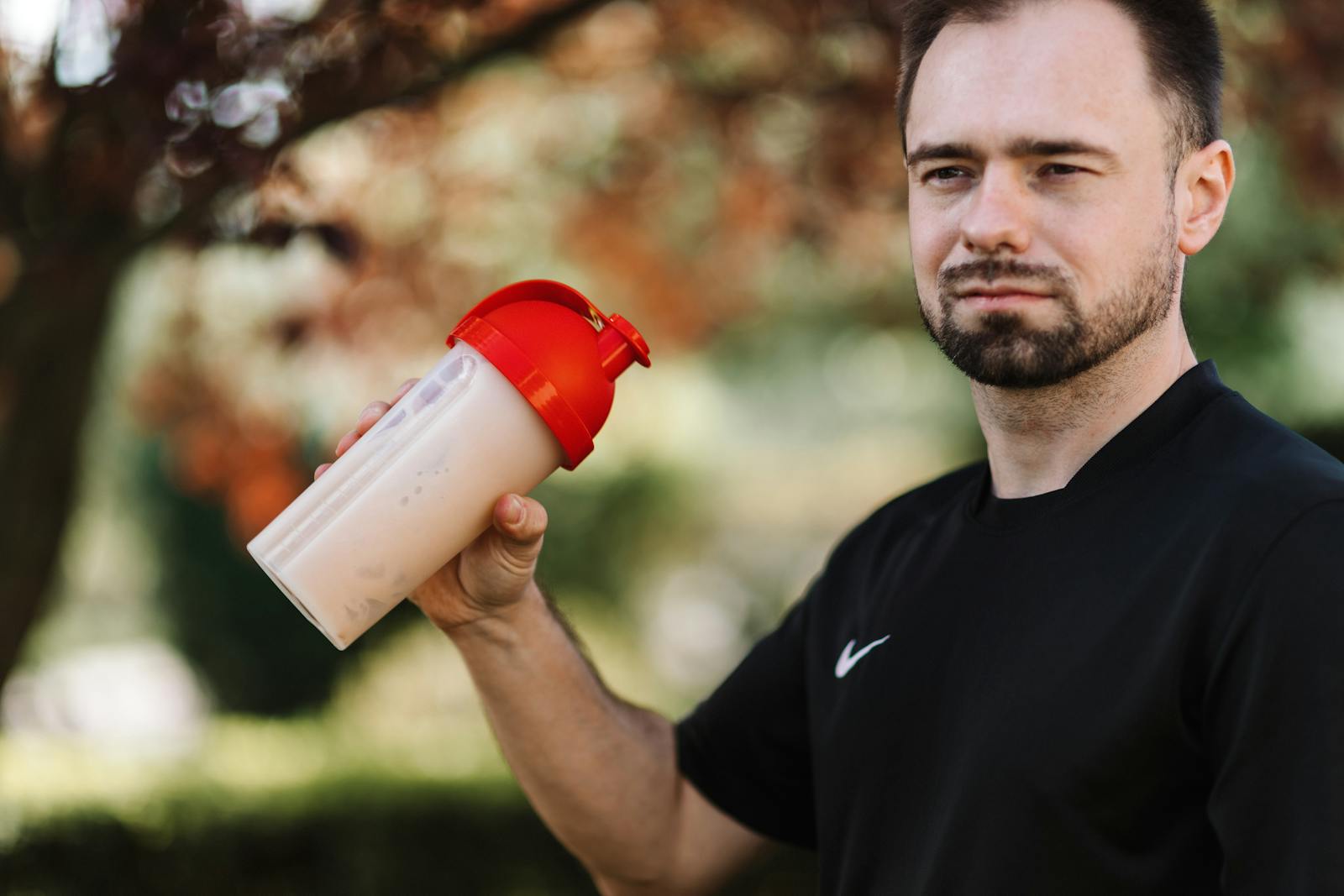
For the serious lifter over age 35, the training landscape begins to shift in subtle but significant ways. Recovery cycles lengthen, the margin for error in programming narrows, and the physiological "noise" of daily life often competes with the signal for muscular adaptation. Specifically, as we move through our thirties and into our forties, the efficiency with which our bodies process energy and maintain lean tissue begins a slow decline. This reality makes creatine over 35 one of the most practical interventions for maintaining high performance and hormonal health.
Most lifters have used creatine in their twenties to chase a pump or add a few pounds of water weight. However, the true value of creatine monohydrate for the mature athlete transcends simple aesthetics. It serves as a foundational tool for managing the biological stressors that come with age, providing a necessary buffer against the natural degradation of power output and cognitive clarity. Understanding why this supplement is more effective now than it was a decade ago requires a shift in how we view performance and longevity.
Key Takeaways
- Mitigate Sarcopenia - Regular supplementation helps counteract the age-related loss of muscle mass by improving the environment for protein synthesis.
- Enhanced Power Output - Creatine replenishes ATP stores more efficiently, allowing lifters over 35 to maintain the high-intensity efforts that are often the first to decline with age.
- Neurological Support - Beyond the gym, creatine provides significant benefits for cognitive function and mental fatigue, which is critical for high-agency professionals.
- Bone Density Protection - Evidence suggests that combining creatine with resistance training provides superior improvements in bone mineral density compared to training alone.
- Simplification of Protocol - There is no need for complex loading phases or "designer" versions: five grams of monohydrate daily is the gold standard for long-term results.
The Shift in Metabolic Efficiency After 35
As you reach the midpoint of your career and athletic life, your body becomes less forgiving of suboptimal nutrient partitioning. The primary challenge for the 35+ lifter is not just making progress, but defending the progress already made. This is where the biological role of creatine becomes essential. Creatine is a nitrogenous organic acid that facilitates the recycling of adenosine triphosphate (ATP), the primary energy currency of the cell. While a 22-year-old body can often brute-force its way through ATP depletion, a 40-year-old body feels every percentage of drop-off.
When you supplement with creatine over 35, you are essentially increasing your cellular energy reserves. This allows for a higher volume of work within each session without a corresponding increase in systemic fatigue. For the professional with a demanding schedule, this means you can maintain the intensity of your 5:00 AM session without feeling biologically bankrupt by your 2:00 PM boardroom meeting. The supplement acts as a metabolic shock absorber, smoothing out the energy troughs that often lead to missed sessions or poor recovery.
Defending Lean Tissue Against Age
One of the most significant creatine benefits is its role in cellular hydration and signaling. As we age, our muscles tend to lose intracellular water, which can negatively affect protein turnover. Creatine draws water into the muscle cell, creating a volumized state that serves as a powerful signal for anabolism. This is not merely "water weight" in the sense of subcutaneous bloating; it is functional hydration that improves the mechanical advantage of the muscle fiber and protects against the gradual onset of muscle loss.
Creatine and the Cognitive Edge
While often marketed exclusively as a bodybuilding supplement, the benefits of creatine monohydrate extend into the brain. For the high-agency professional, cognitive performance is just as vital as physical output. The brain is an energy-demanding organ that relies heavily on ATP. Short-term memory, processing speed, and executive function all fluctuate based on available energy substrates. As we age, the brain's internal creatine stores may diminish, leading to increased mental fatigue under stress.
Research into the neurological impact of supplementation shows that it can significantly improve mental clarity, especially during periods of sleep deprivation. For a lifter balancing a high-stress career with a rigorous training program, sleep is often the first variable to suffer. Creatine provides a cognitive buffer, ensuring that your decision-making and focus remain sharp even when external stressors are high. This dual-use nature makes it perhaps the most valuable tool in a mature lifter’s kit.
Find the real reason your body stopped responding.
Take the 3-minute Plateau Breaker Scorecard and get a personalized read on what is actually holding you back. Take the scorecard →
The Intersection of Strength and Longevity
If you have been training for over a decade, you likely realize that joint health and bone density are now your limiting factors. You cannot build a heavy house on a weak foundation. Creatine has been shown to improve bone mineral content when paired with structured resistance training. By increasing the force your muscles can generate, you place a greater (and healthy) mechanical load on your skeletal system, which triggers the body to reinforce bone structure. This creates a virtuous cycle of strength and durability.
Furthermore, the inflammation management associated with consistent creatine use is a major advantage. While it is not an anti-inflammatory in the traditional pharmaceutical sense, by improving the efficiency of cellular repair and reducing the release of lactate and other metabolic byproducts during intense exertion, it helps the older lifter recover between sessions more effectively. This allows for a higher frequency of high-quality training sessions over the course of a year.
Personalization Over Generic Templates
Many generic programs fail because they assume a 38-year-old recovers with the same speed as a collegiate athlete. They ignore the reality of diminishing cellular reserves. A personalized performance system acknowledges these biological shifts and uses tools like creatine monohydrate to bridge the gap. When your software and your supplementation work in tandem, you stop fighting against your biology and start working with it. The goal is not to repeat the workouts of your youth, but to optimize the physiological potential of your current self.
Implementing a Strategic Protocol
The beauty of creatine monohydrate lies in its simplicity. Many products on the market attempt to reinvent the wheel with complicated delivery systems or "liquid" versions that are often unstable and ineffective. For the serious lifter, the most effective path is the one that is sustainable and evidence-based.
- Choose Monohydrate - The most researched form of creatine is also the most affordable. It is nearly 100% bioavailable and has a decades-long safety profile.
- Daily Consistency - Take five grams every single day. The goal is to keep your muscle tissues saturated. Timing is less important than the simple act of daily ingestion.
- No Loading Required - While you can "load" with 20 grams a day for a week to saturate the muscles faster, it often causes gastrointestinal distress in older lifters. A steady five-gram dose will reach full saturation in about three weeks without the side effects.
- Pair with Hydration - Since creatine moves water into the muscle cells, your overall hydration needs will increase. Ensure you are consuming adequate electrolytes to support this shift.
Ultimately, the choice to use creatine after 35 is a choice to prioritize the defense of your physical and mental autonomy. It is a fundamental component of a structured, intelligent approach to training that favors long-term progression over short-term gimmicks. When integrated into a program that respects your recovery capacity and individual responses, it becomes a literal force multiplier for your efforts in the gym.
Ready to stop guessing?
Take the 3-minute scorecard built for serious lifters 28 to 45. Get a clear read on your real bottleneck and what to do about it.
Optimal Athlete
Training and nutrition articles from Optimal Athlete.