
 ®
Cold Plunge, Sauna, and Recovery: Separating Hype from Science
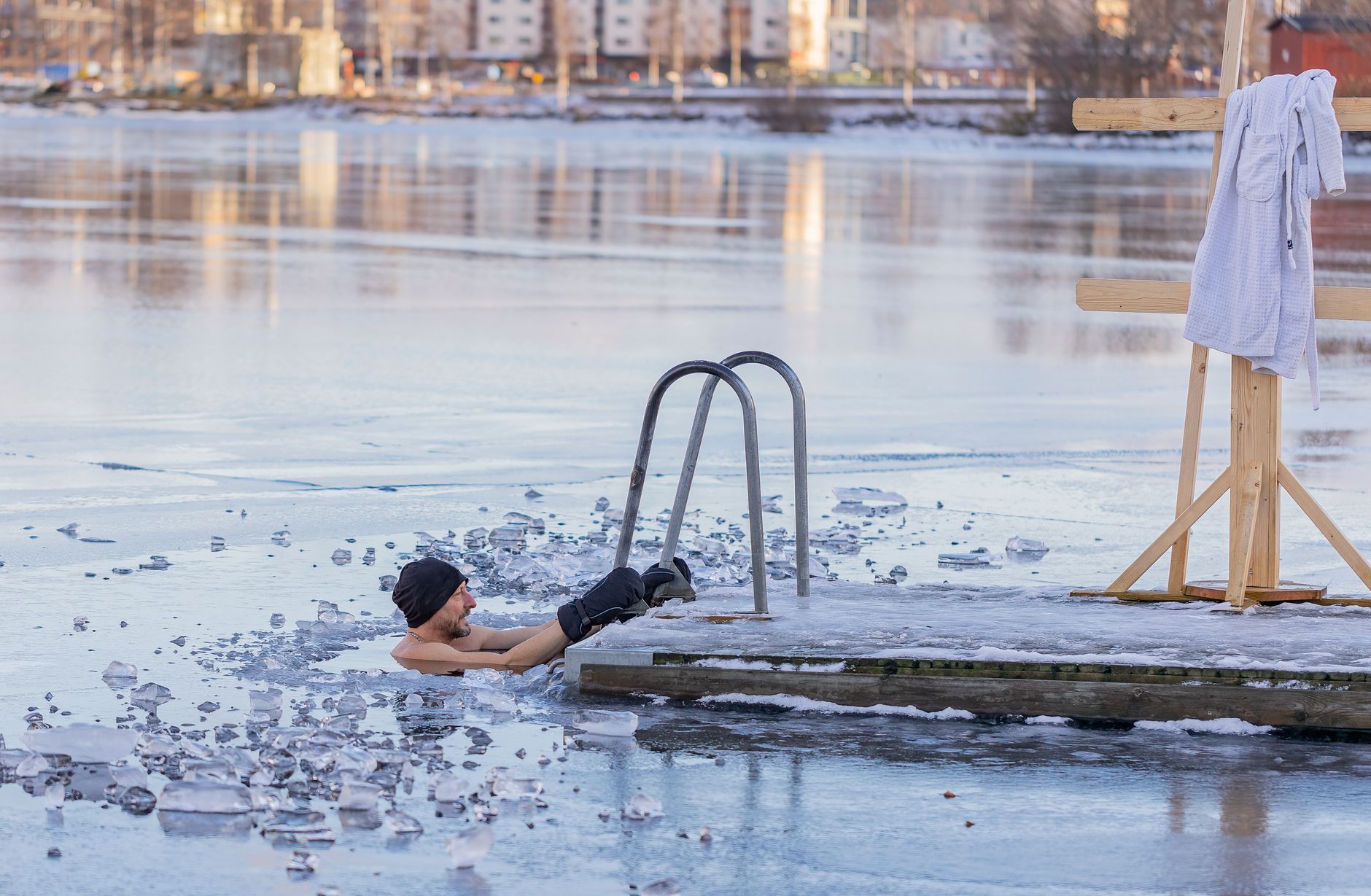
To optimize recovery through cold plunge, sauna, and contrast therapy, you must align these tools with your specific training phase rather than using them as daily defaults. While heat exposure generally supports hypertrophy and cardiovascular health, intense cold exposure immediately following a lifting session can actually blunt the inflammatory signals required for muscle growth. Structured progression requires a nuanced application of temperature stress based on your current recovery capacity and primary performance goals.
Key Takeaways
- Timing is everything: Avoid cold plunging within four to six hours of a hypertrophy-focused training session to ensure natural inflammatory pathways remain active for muscle growth.
- Heat for longevity: Regular sauna use enhances growth hormone production and improves cardiovascular efficiency, making it a superior choice for year-round metabolic health.
- Contrast for systemic recovery: Use contrast therapy on dedicated recovery days to facilitate blood flow and nervous system downregulation without interfering with acute training adaptations.
- Manage the total stress load: Both heat and cold are stressors; if your professional life or training volume is currently at a peak, aggressive thermal exposure may delay rather than accelerate recovery.
- Individual response matters: Biomarkers like resting heart rate and heart rate variability should dictate the frequency and intensity of your recovery protocols.
For the serious lifter between 28 and 45, the pursuit of performance often leads to an accumulation of recovery tools. We invest in high-end equipment and follow rigid protocols, yet many find their progress stalling despite doing everything right. The issue is rarely a lack of effort. Instead, it is the application of these tools in a vacuum, ignoring the physiological reality that recovery is an active, adaptive process. To unlock the true cold plunge benefits and sauna recovery potential, we must look past the social media trends and understand the biological trade-offs inherent in temperature-based interventions.
How does temperature affect muscle hypertrophy and strength?
The primary conflict between thermal recovery and strength training lies in the mechanism of adaptation. When you lift heavy loads, you create mechanical tension and metabolic stress. This triggers a localized inflammatory response that signals the body to repair and grow muscle tissue. If you submerge yourself in freezing water immediately after a session, you cause significant vasoconstriction and a reduction in that necessary inflammation. While this feels good because it reduces soreness, it effectively silences the very signals you spent sixty minutes in the gym trying to generate.
This does not mean the cold plunge is useless. It means it is a tool for specific outcomes. If you are in a purely neurological strength phase or competing in a multi-day event where performance today matters more than growth tomorrow, the cold is your ally. However, for the professional lifter seeking maximum hypertrophy, the cold plunge should be reserved for non-lifting days or separated from the workout by at least six hours. In contrast, heat exposure via the sauna does not carry this same blunt-force inhibitory effect. Heat shock proteins and improved blood flow can actually augment the recovery environment, making the sauna a more versatile tool for the daily trainee.
What are the proven cold plunge benefits for high-agency professionals?
Beyond the physical recovery of muscle tissue, cold exposure serves as a powerful regulator of the central nervous system. For the high-performing professional, the most significant cold plunge benefits are often psychological and hormonal. The massive spike in norepinephrine provides a lasting increase in focus and mood, which can be invaluable during high-stress work weeks. This systemic response helps recalibrate the stress threshold, making you more resilient to both physical and mental demands.
To get the most out of your cold exposure, consider these specific parameters:
- Temperature range: Aim for 45 to 55 degrees Fahrenheit. Going colder than this often increases the risk of a panicked gasping response without providing additional physiological benefit.
- Total weekly duration: Aim for 11 minutes of total exposure per week, divided into two or three sessions. This is sufficient to trigger metabolic adaptations without overtaxing the adrenals.
- End on cold: If your goal is metabolic boost, do not immediately hop into a warm shower. Let your body shiver and warm itself naturally to maximize the thermogenic effect.
Is sauna recovery superior to cold for long-term progress?
While the cold gets the headlines, the sauna is arguably the more foundational tool for the aging athlete. The cardiovascular strain of a 180-degree sauna session mimics light aerobic exercise, improving stroke volume and lowering resting heart rate over time. For lifters who prioritize heavy compound movements, this cardiovascular efficiency allows for faster recovery between sets and a higher work capacity during long sessions. Sauna recovery also aids in the excretion of certain heavy metals and improves skin health, but its primary value lies in its ability to induce a deep state of parasympathetic activation.
Find the real reason your body stopped responding.
Take the 3-minute Plateau Breaker Scorecard and get a personalized read on what is actually holding you back. Take the scorecard →
How to implement contrast therapy for maximum results?
Contrast therapy, the practice of alternating between hot and cold environments, creates a vascular pump. The heat dilates the blood vessels while the cold constricts them. This mechanical action helps move metabolic byproducts out of the muscle tissue and brings fresh, oxygenated blood into the area. This is particularly effective for joints and connective tissues that have limited blood supply compared to muscle bellies.
For a structured approach to contrast therapy, follow this sequence on a dedicated recovery or active mobility day:
- Heat Exposure: 15 minutes in a sauna or hot bath to thoroughly warm the core and dilate peripheral vessels.
- Cold Exposure: 2 minutes in a cold plunge or cold shower to trigger rapid constriction.
- Repeat: Cycle through this three times, always ending on the cold exposure to leave the nervous system in an alert but calm state.
This protocol is far more effective than static recovery methods because it forces the body to actively manage its internal environment. It is a form of training for the autonomic nervous system. By teaching your body to transition quickly between sympathetic (fight or flight) and parasympathetic (rest and digest) states, you improve your ability to recover from the high-intensity stress of heavy lifting.
The Sustainability Factor
The main reason most generic recovery programs fail is that they ignore the total allostatic load. If you are sleeping six hours a night, managing a high-pressure career, and training five days a week, adding thirty minutes of extreme temperature stress might be the tipping point that leads to burnout. A structured progression involves knowing when to push and when to pull back. If your HRV is trending downward and your morning grip strength is weak, skip the cold plunge and opt for extra sleep or a gentle sauna session. Recovery tools should serve your training, not become another source of exhaustion.
Frequently Asked Questions
Should I cold plunge every day?
Daily cold plunging is generally unnecessary for most lifters and may lead to overstimulation of the nervous system. Aiming for two to three times per week is usually sufficient to reap the metabolic and psychological benefits without interfering with muscle protein synthesis or causing unnecessary systemic stress.
Is a hot shower as effective as a sauna?
While a hot shower is better than no heat at all, it lacks the ambient temperature required to raise your core body temperature significantly. A sauna provides a controlled, dry heat environment that triggers the production of heat shock proteins and growth hormone, which a standard shower cannot replicate.
When is the best time to use the sauna for recovery?
Post-workout sauna use is highly effective for extending the growth hormone window and relaxing the muscles. However, using the sauna in the evening can also improve sleep quality by facilitating the body's natural cooling process once you exit the heat, making it a versatile tool for both physical and circadian health.
Ultimately, the choice between cold plunge benefits and sauna recovery depends on your current objective. If you are focused on longevity, cardiovascular health, and consistent muscle growth, the sauna should be your primary tool. If you need a mental reset, a boost in focus, or a way to manage acute systemic inflammation on rest days, the cold plunge is a potent addition. By integrating these into an adaptive system that respects your body's feedback, you move beyond the hype and toward a sustainable, high-performance lifestyle. Explore more about systemic health on our performance blog or view our frequently asked questions for deeper insights into individualized programming.
Ready to stop guessing?
Take the 3-minute scorecard built for serious lifters 28 to 45. Get a clear read on your real bottleneck and what to do about it.
Optimal Athlete
Training and nutrition articles from Optimal Athlete.