
 ®
Biomarker-Driven Supplement Stacking: A Smarter Approach
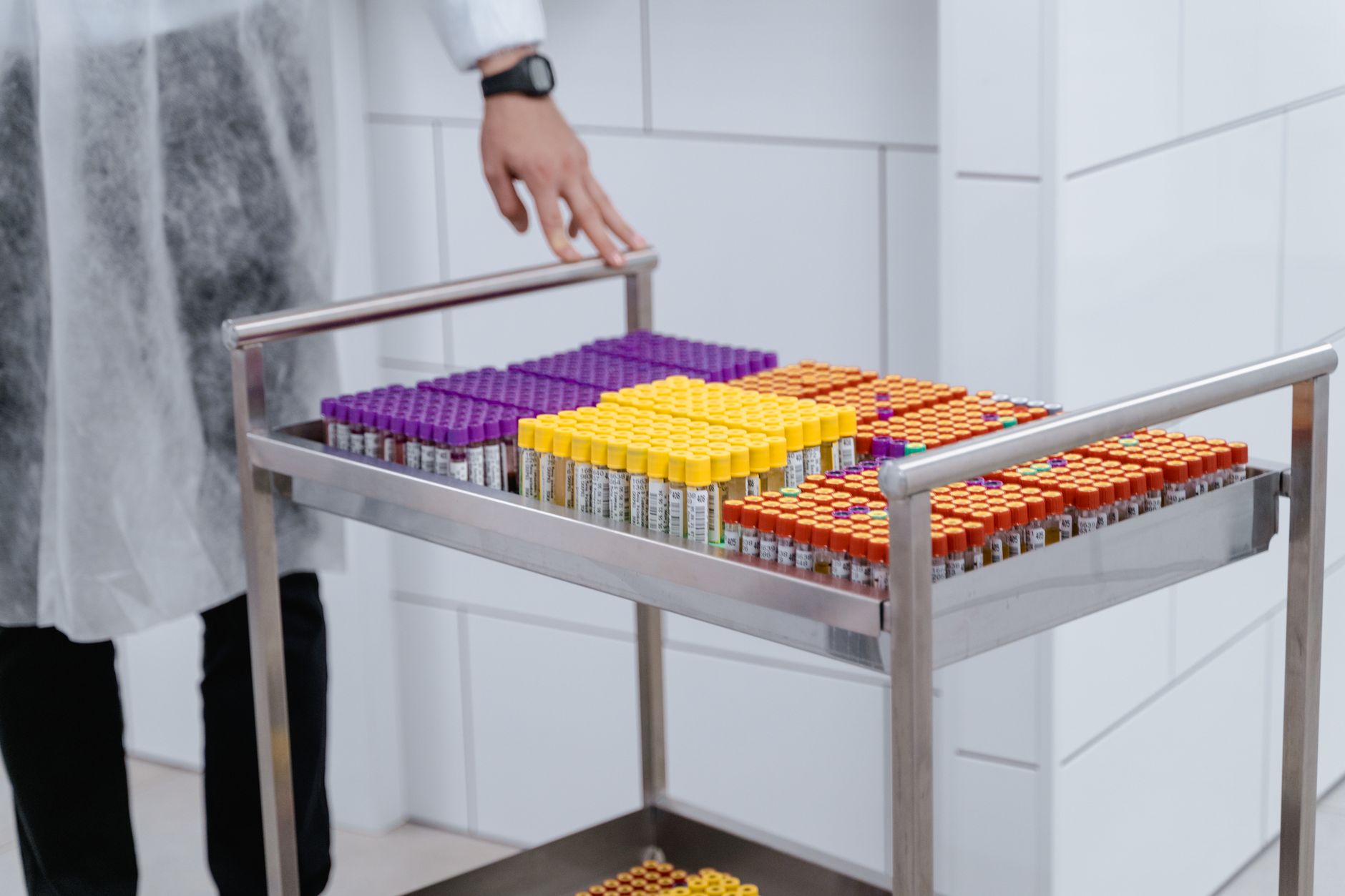
Most serious lifters treat supplementation like a retail therapy session. They see a new ingredient trending on social media, read a few anecdotal reports, and add another bottle to an already crowded kitchen cabinet. This scattershot approach assumes that if a compound is generally healthy, it must be valuable for their specific physiology. However, for the high-agency professional balancing a demanding career with intense training, this lack of precision is more than just expensive. It is an inefficient way to manage the biological resources required for high-level performance and long-term health.
The transition from generic supplementation to a system of biomarker supplements represents a shift from guessing to precision engineering. By using objective data points from regular blood work, you can identify the specific physiological bottlenecks preventing your body from adapting to the stress of your program. A smarter approach does not involve taking more pills. It involves taking the specific compounds your unique internal environment requires to maintain a state of productive adaptation.
Key Takeaways
- Objectivity over intuition: Using blood work supplements allows you to address real physiological needs rather than following marketing trends that may not apply to your current state.
- Targeted recovery support: Biomarkers reveal hidden systemic stressors, such as chronic inflammation or micronutrient deficiencies, that hinder muscle repair and nervous system recovery.
- Minimizing redundancy: A data-driven stack eliminates unnecessary compounds that may be taxing your liver or kidneys without providing a measurable performance benefit.
- Adaptive recalibration: Regular testing ensures your supplement strategy evolves alongside your training phases, shifting as your volume, intensity, and lifestyle stressors change.
- Hormonal optimization: Precision stacking helps maintain the delicate balance of testosterone, cortisol, and thyroid markers necessary for sustained strength gains between ages 28 and 45.
The Baseline of Precision Performance
Standardized training programs often fail because they treat every lifter as a closed system with identical internal variables. The same logic applies to nutrition and supplementation. Many lifters follow a generic protocol for years, wondering why their recovery has slowed or why their energy levels crater mid-afternoon. They often blame their training age or their work schedule, yet the problem frequently lies in a mismatch between their physiological requirements and their intake.
Personalized supplements driven by biomarkers solve this discrepancy. When you analyze a comprehensive blood panel, you are looking at the direct result of your lifestyle, training load, and genetics. If your Vitamin D levels are at the low end of the clinical range, your ability to synthesize protein and maintain bone density is compromised. If your high-sensitivity C-reactive protein is elevated, your body is in a pro-inflammatory state that makes recovering from heavy squats significantly harder. Without this data, you are simply throwing ingredients at a problem you haven't fully defined.
This approach moves supplementation from the realm of "wellness" into the realm of structured progression. It allows you to create a feedback loop where you test, supplement, re-test, and refine. This ensures that every dollar spent on your stack is contributing to a specific, measurable outcome in your internal chemistry.
Identifying Your Personal Bottlenecks
To build a stack that actually works, you must first understand which markers matter most for a serious lifter. While the medical establishment looks for disease states, a performance-minded athlete looks for optimal ranges. A value that is "normal" for a sedentary individual is often suboptimal for someone training four times a week with high intensity.
- Metabolic Health: Fasting insulin and HbA1c levels dictate how well you partition nutrients. If these are trending high, your carbohydrate timing and glucose disposal supplements need adjustment.
- Hormonal Environment: Tracking free testosterone alongside SHBG and albumin provides a clear picture of how much hormone is actually available for tissue repair.
- Micronutrient Status: Magnesium, Zinc, and B-vitamins act as co-factors for thousands of enzymatic reactions. Deficiencies here act as a hard ceiling on your performance.
Find the real reason your body stopped responding.
Take the 3-minute Plateau Breaker Scorecard and get a personalized read on what is actually holding you back. Take the scorecard →
Strategic Stacking for Systemic Recovery
Once you have identified your specific deficiencies or suboptimal ranges through blood work supplements, the next step is building the stack. This is where most lifters make the mistake of adding ten different things at once. A smarter approach is hierarchical. You address the foundational deficiencies first, then move toward performance enhancers that support the specific demands of your current training block.
For example, if your biomarkers show signs of oxidative stress, you might lean into specific antioxidants like Alpha Lipoic Acid or N-Acetyl Cysteine. However, if your markers show that your liver enzymes are slightly elevated due to high training volume, you would prioritize hepatoprotective compounds instead. The goal is to select ingredients that have a high degree of synergy with your specific biological profile.
This level of precision also prevents the common issue of supplement interference. It is well-documented that high doses of certain antioxidants can actually blunt the hypertrophic signal if taken too close to training. By using data to guide your timing and dosage, you ensure that you are supporting recovery without accidentally sabotaging the very adaptation you are trying to trigger.
Refining Your Protocol for Longevity
As a lifter in the 28 to 45 age bracket, your primary goal is the preservation of high-level function while continuing to add strength. The shotgun approach to supplements often results in "expensive urine" at best, or systemic strain at worst. Over-supplementation can lead to imbalances, such as high zinc intake interfering with copper absorption, or excessive Vitamin D leading to hypercalcemia if not balanced with Vitamin K2.
- Establish a baseline - Take a comprehensive blood panel during a period of normal training and diet to see where your natural levels sit.
- Identify low-hanging fruit - Address the most significant deficiencies first, such as low magnesium or poor lipid profiles, before adding exotic performance boosters.
- Implement a 90-day cycle - Supplements require time to alter blood chemistry. Stay consistent for three months before re-testing.
- Adjust based on data - If a marker has moved into the optimal range, consider a maintenance dose. If it hasn't moved, re-evaluate the dosage or the quality of the supplement.
The Evolution of Your Performance System
The core philosophy of biomarker-driven supplementation is that your body is a dynamic, changing system. Your needs in a fat-loss phase are fundamentally different from your needs during a heavy strength block. In a calorie deficit, your markers might show increased cortisol and a drop in thyroid signaling, requiring supplements that support metabolic rate and stress management. In a mass-gaining phase, your focus might shift to managing blood glucose and systemic inflammation.
This is the difference between a static template and an adaptive system. By integrating regular lab work into your training routine, you are no longer guessing at what your body needs. You are providing it with the exact raw materials required to thrive under the specific stressor you have chosen to apply. This level of intentionality is what separates the plateaued lifter from the one who continues to make structured progress year after year.
Ultimately, your supplement stack should be as personalized as your programmed sets and reps. It should reflect your goals, your current physiological state, and your lifestyle demands. Stop following the crowd and start following the data. Your performance, recovery, and long-term health depend on this shift toward a more intelligent, targeted strategy.
Ready to stop guessing?
Take the 3-minute scorecard built for serious lifters 28 to 45. Get a clear read on your real bottleneck and what to do about it.
Optimal Athlete
Training and nutrition articles from Optimal Athlete.